
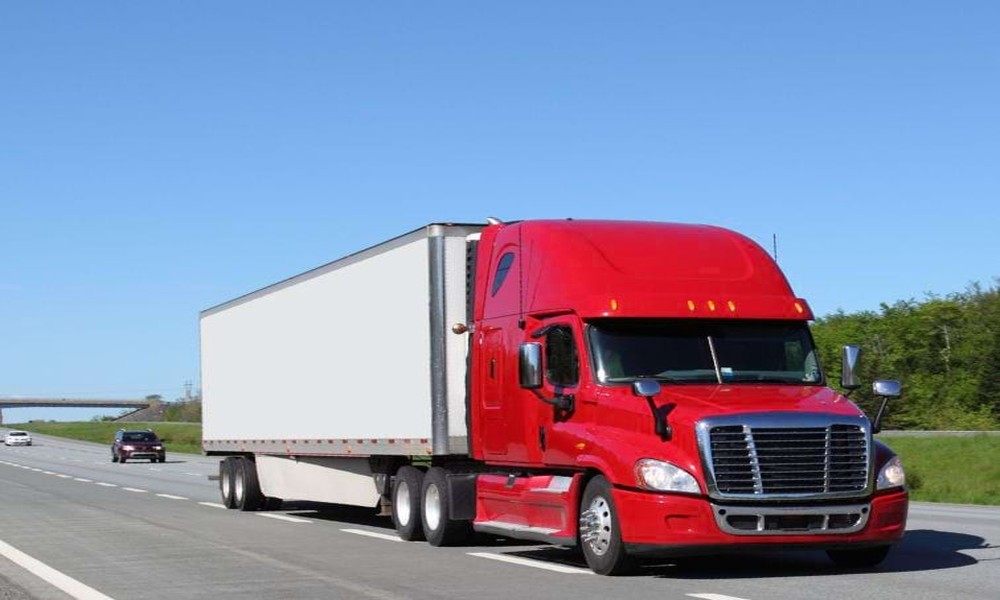

A career behind the wheel of a big rig starts with one crucial step: earning your Commercial Driver’s License, or CDL. For newcomers, the world of truck driving can feel intimidating, but understanding the path to a CDL, and what happens after, can turn that uncertainty into a clear road ahead.
What Is a CDL and Why Is It Essential for Truck Driving?
Driving a commercial vehicle isn’t like hopping behind the wheel of a sedan. The sheer size, weight, and responsibility demand special skills, which is why federal law requires a CDL for anyone operating commercial trucks, buses, or other large vehicles. The CDL is more than a driver’s license; it’s proof that you’ve mastered both the rules and the techniques needed for safe, professional driving.
Understanding the CDL License Types
Not all CDLs are created equal. There are three main classes:
– Class A: For driving any combination of vehicles with a gross vehicle weight rating (GVWR) of 26,001 pounds or more, including tractor-trailers.
– Class B: For single vehicles with a GVWR of 26,001 pounds or more, like straight trucks and some buses.
– Class C: For vehicles designed to carry 16 or more passengers or to transport hazardous materials in quantities requiring placards.
Legal Requirements and Age Limits
Federal law sets the minimum age for intrastate CDL holders at 18, and 21 for those who drive across state lines or transport hazardous materials. A clean driving record and a valid standard driver’s license are must-haves before you can even apply.
How Does CDL Training Prepare You for a Truck Driving Career?
CDL training transforms a regular driver into a professional ready for the open road. The training isn’t just about passing a test; it’s about establishing the habits and knowledge that keep you, your cargo, and others safe.
Core Skills Taught in CDL Training Programs
You’ll learn everything from pre-trip inspections and shifting gears to defensive driving and managing fatigue. Many programs go beyond the basics, teaching load balancing, trip planning, and even basic truck maintenance.
The Balance Between Classroom Instruction and Behind-the-Wheel Practice
Theory and practice go hand in hand. Expect to split your time between classroom sessions, covering regulations, safety, and logbooks, and actual driving, where you’ll master maneuvers like backing, turning, and parking.
What Are the Different Types of CDL Training Programs Available?
Choosing the right training format can make all the difference, depending on your schedule, learning style, and financial situation.
Community Colleges vs. Private Truck Driving Schools
Community colleges often offer more affordable programs that may take a bit longer but come with financial aid options. Private schools usually have shorter programs and flexible start dates, but the price tag is often higher.
| School Type | Duration | Cost Range | Financial Aid | Pace |
|———————|——————–|—————|————–|————|
| Community College | 8-16 weeks | $1,500-$5,000 | Typically Yes| Moderate |
| Private School | 3-8 weeks | $2,000-$8,000 | Sometimes | Fast Track |
Online vs. In-Person Training: Pros and Cons
Online coursework can speed up the book-learning part, letting you study at your convenience. However, hands-on driving can’t be skipped, so every program will require in-person practice. In-person classes offer direct instruction but require regular attendance.
How Long Does CDL Training Take and What Does It Cost?
The timeline and costs are real-world concerns for anyone starting out.
Typical Duration of Training Programs
Most CDL programs run from three to eight weeks for full-time students, though part-time and night classes can stretch this to several months. The length depends primarily on your chosen format and your ability to practice regularly.
Breakdown of Tuition and Additional Expenses
Tuition isn’t the only cost. Budget for testing fees, medical exams, background checks, and supplies like study guides. Some schools include job placement assistance in the package, which can be a game-changer for new drivers.
What Are the Key Steps to Enroll in a CDL Training Program?
The enrollment process starts well before your first class.
Prerequisites Before Applying
You’ll need to verify your age, driving record, and citizenship or legal residency. Prepare to pass a Department of Transportation (DOT) physical and drug screening before you can get your Commercial Learner’s Permit (CLP), a requirement for behind-the-wheel instruction.
How to Choose the Right Training School
Look for programs with experienced instructors, good job placement rates, and up-to-date equipment. Local options like DTR CDL school Las Vegas can offer region-specific expertise and flexible schedules.
What Can Beginners Expect During the CDL Testing Process?
Testing is a two-part process: knowledge and skills.
The Written Knowledge Test Explained
This test covers everything from road rules to specific regulations affecting commercial drivers. It often feels like a return to high school exams, but focused study and practice tests help.
Preparing for the Skills and Road Tests
After passing the written exam, you’ll face a hands-on test that includes vehicle inspection, basic control skills, and a road drive. It’s normal to be nervous, the key is preparation and plenty of practice.
How to Maximize Success During Your CDL Training
Attitude and focus are as important as technical skill.
Tips for Staying Focused and Motivated
Set small goals for each week, seek feedback from instructors, and remember what drove you to pursue this career in the first place. Connecting with classmates helps, too.
Common Challenges and How to Overcome Them
Balancing training with work or family can be tough. Communicate with your instructors and look for part-time or weekend programs if needed. Don’t be afraid to ask questions, everyone starts as a beginner.
What Are the Next Steps After Earning Your CDL?
Once you have your CDL, the journey is just beginning.
Job Placement and Entry-Level Opportunities
Many schools work directly with carriers to help place graduates. Entry-level trucking jobs range from regional hauls to dedicated routes; some pay training wages, while others offer signing bonuses to new drivers.
Continuing Education and Advanced Endorsements
Specializing can open doors. Consider endorsements for hazardous materials, doubles/triples, or passenger vehicles as your career evolves. Many drivers return to school for refresher courses or new qualifications, ensuring they stay competitive in an ever-changing industry.
Starting out in truck driving may seem overwhelming, but with proper planning and the right training, it’s a road worth traveling. Your CDL isn’t just a license; it’s a ticket to an essential, rewarding profession.
