

Children develop valuable skills when learning extends beyond traditional classroom activities. Outdoor activities encourage young minds to observe their surroundings and understand everyday situations. Here, chiang mai international schools provide different educational approaches that help students discover knowledge through practical involvement. Nature-based activities allow learners to explore natural materials while developing curiosity and creative thinking. These methods also encourage teamwork and independent decision-making. By connecting lessons with outdoor surroundings, educators can make learning more meaningful. Such teaching methods help children recognise their abilities while building useful knowledge for their future.
Understanding Outdoor Learning Methods
Outdoor lessons encourage children to explore natural surroundings while developing observation skills and discovering useful information through direct activities.
Developing Strong Observation Skills
Students notice natural patterns and changes through regular outdoor activities. These opportunities improve attention and encourage thoughtful questions.
Encouraging Creative Thinking Through Exploration
Creative tasks allow learners to discover different solutions. Working with natural materials also supports imagination and independent thinking.
Building Knowledge Through Practical Activities
Practical lessons connect classroom ideas with real situations. Children understand subjects more clearly through active participation and regular observation.
Supporting Environmental Awareness From Childhood
Young learners discover the importance of protecting natural resources. Simple activities teach responsible habits and respect for living surroundings.
Strengthening Independent Learning Skills
Children gradually become confident when exploring unfamiliar subjects. Guided activities encourage them to make decisions and discover answers independently.
Promoting Responsible Daily Habits
Regular outdoor participation helps students understand their responsibilities. Useful habits include:
• Keeping shared surroundings clean.
• Using learning materials carefully.
• Respecting plants and natural resources.
• Sharing responsibilities with classmates.
• Following instructions during outdoor activities.
Creating Meaningful Educational Connections
Learning becomes more useful when students connect academic knowledge with everyday situations. Outdoor projects can strengthen understanding across several subjects.
Supporting Growth Through Active Participation
Active involvement helps children develop confidence and useful abilities. Regular participation also encourages patience and thoughtful problem-solving.
Exploring Different Learning Opportunities
Practical education creates several opportunities for personal development. The chiang mai international schools can support this approach through activities that connect academic subjects with outdoor discovery.
Children benefit from activities that encourage participation and careful thinking. These opportunities include:
• Nature observation tasks that improve attention.
• Group projects that develop communication skills.
• Creative activities using natural materials.
• Gardening tasks that teach responsibility.
• Environmental discussions that encourage thoughtful decisions.
A balanced educational approach should combine classroom lessons with practical activities. Teachers can create meaningful opportunities through outdoor projects and guided exploration. Parents can support this progress by encouraging curiosity beyond school hours. Consistent participation helps children develop stronger awareness and useful abilities. These efforts create a foundation for responsible decisions and continued learning.
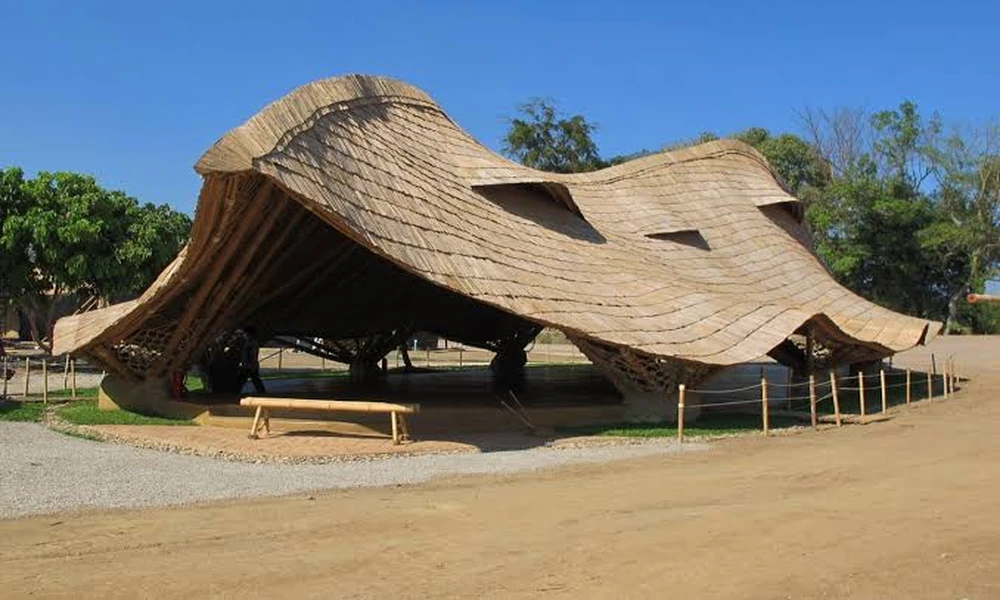
Exploring Nature-Based Learning Opportunities at Panyaden International School
