
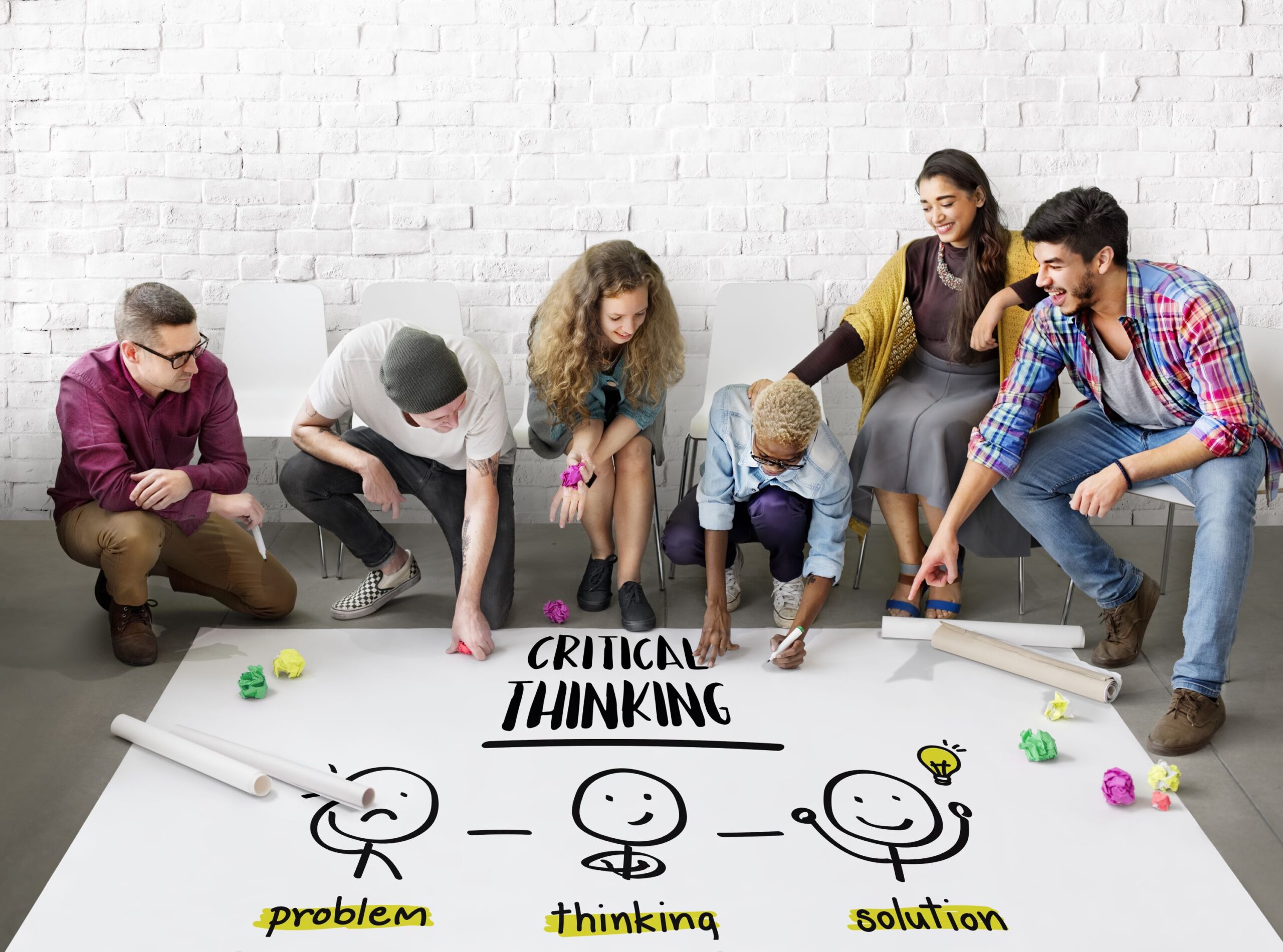

In today’s competitive educational landscape, developing robust critical thinking abilities has become essential for academic and professional success. Junior colleges offer a unique opportunity to cultivate these vital skills whilst providing excellent value for educational investment. Understanding how junior college tuition skills contribute to intellectual development can help students make informed decisions about their educational pathway.
Understanding the Value of Junior College Investment
Junior colleges represent a strategic investment in intellectual development that often yields remarkable returns. The financial commitment required for junior college education typically provides access to comprehensive learning experiences designed to enhance analytical thinking. Students who invest in junior college tuition skills development often discover that the knowledge gained extends far beyond traditional academic boundaries.
Cost-Effective Learning Environment
Junior college tuition costs remain significantly lower than traditional university fees whilst maintaining high educational standards. This affordability allows students to focus entirely on developing their critical thinking abilities without the burden of excessive financial stress. The reduced financial pressure creates an environment where students can engage more deeply with course material and participate actively in intellectual discussions.
Foundation Building for Advanced Studies
Junior colleges excel at establishing strong academic foundations that prepare students for advanced educational pursuits. The structured approach to developing junior college tuition skills ensures students master fundamental concepts before progressing to more complex topics. This methodical progression helps students build confidence in their analytical abilities whilst developing essential study habits that serve them throughout their academic careers.
How Junior College Curriculum Develops Critical Analysis
The carefully designed curriculum at junior colleges emphasises practical application of theoretical knowledge through various innovative teaching methods. Instructors employ diverse pedagogical approaches that challenge students to think beyond surface-level understanding. These educational strategies help students develop the analytical skills necessary for success in higher education and professional environments.
Structured Debate and Discussion Sessions
Regular classroom debates and structured discussions form the cornerstone of critical thinking development in junior college settings. Students learn to articulate their viewpoints clearly whilst considering alternative perspectives and evaluating evidence objectively. These interactive sessions help students develop confidence in expressing their ideas and defending their positions with logical reasoning.
Research-Based Assessment Methods
Junior colleges implement assessment methods that require students to conduct independent research and analyse information from multiple sources. This approach to evaluation encourages students to develop information literacy skills whilst learning to distinguish between credible and unreliable sources. Students graduate with enhanced abilities to synthesise complex information and draw meaningful conclusions from their research.
Interdisciplinary Learning Approaches
The interdisciplinary nature of junior college education exposes students to diverse fields of study and varied approaches to problem-solving. This broad exposure helps students understand how different disciplines approach similar questions and challenges. Students develop flexibility in their thinking processes and learn to apply concepts across multiple academic domains.
The Connection Between Junior College Tuition Skills and Career Success
Employers increasingly value candidates who demonstrate strong analytical thinking abilities and can adapt to changing workplace demands. The skills developed through junior college education directly translate to improved performance in professional environments. Students who invest in developing these junior college tuition skills often find themselves better prepared for career advancement opportunities.
Workplace Problem-Solving Abilities
Junior college graduates enter the workforce with enhanced problem-solving capabilities that make them valuable team members. Their ability to analyse complex situations and propose effective solutions stems from the rigorous training received during their educational experience. These skills prove particularly valuable in dynamic work environments where innovative thinking is essential.
Enhanced Decision-Making Capabilities
The analytical skills developed through junior college education improve students’ decision-making processes in both personal and professional contexts. Students learn to evaluate options systematically and consider potential consequences before making important choices. This enhanced decision-making ability contributes significantly to long-term career success and personal development.
Comparing Junior College Benefits to University Alternatives
Junior colleges offer distinct advantages over traditional university settings, particularly in developing personalised learning experiences. The intimate learning environment allows for more individualised attention and support. Students receive more direct feedback on their progress and have greater opportunities to engage with their instructors.
Personalised Attention and Smaller Class Sizes
Smaller class sizes in junior colleges enable instructors to provide more personalised guidance and support to individual students. This intimate learning environment allows for more meaningful interactions between students and faculty members. The increased attention helps students identify their strengths and address areas requiring improvement more effectively.
Practical Skills Development Focus
Junior colleges emphasise practical skill development that directly applies to real-world situations and challenges. The curriculum balances theoretical knowledge with hands-on learning experiences that prepare students for immediate application of their skills. This practical focus ensures that junior college tuition skills remain relevant and valuable in various professional contexts.
Maximising Your Junior College Investment
Success in junior college requires active engagement and strategic utilisation of available resources and opportunities. Students who approach their education with clear goals and commitment typically achieve the best outcomes. Understanding how to leverage the junior college experience effectively can significantly enhance the return on educational investment.
Active Participation Strategies
Regular participation in classroom discussions and group activities enhances the learning experience and accelerates skill development. Students should actively seek opportunities to contribute to class discussions and collaborate with peers on projects. This engagement helps solidify understanding of course material whilst developing communication and teamwork abilities.
Building Relationships with Instructors
Developing strong relationships with instructors provides access to valuable mentorship and guidance throughout the educational journey. Students should take advantage of office hours and seek feedback on their academic progress regularly. These relationships often extend beyond graduation and can provide ongoing support for career advancement.
Leveraging Resources Beyond the Classroom
Junior colleges typically offer numerous resources beyond traditional classroom instruction, including tutoring services, career counselling, and academic support programmes. Students should actively utilise these additional resources to maximise their educational experience and develop comprehensive skill sets. The combination of classroom learning and supplementary resources creates a rich educational environment that promotes intellectual growth and development.
