
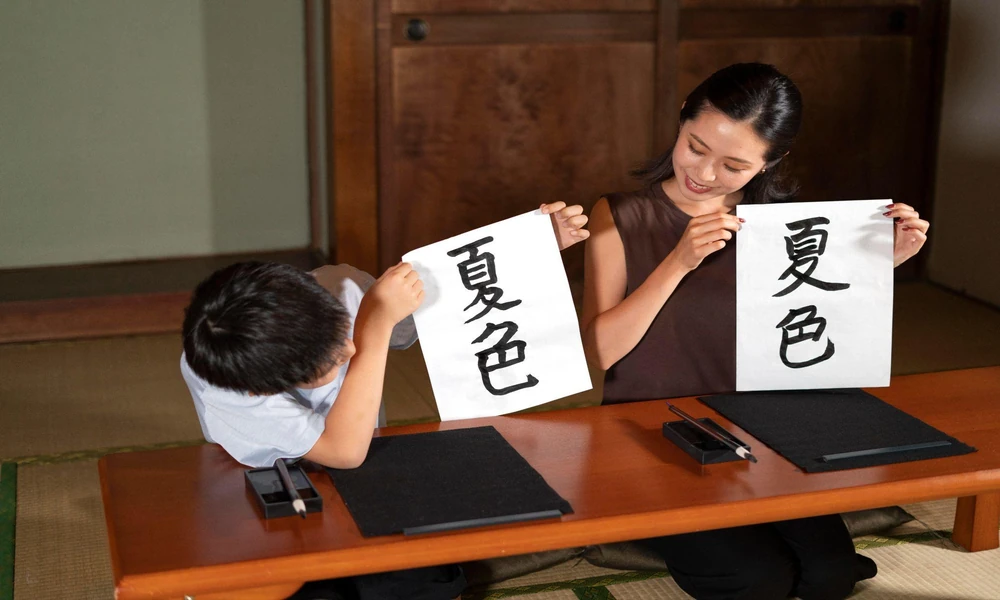

Introducing a new language to a young child works best when it starts with concepts that are simple, familiar and genuinely engaging. That said, when it comes to Chinese for preschoolers, the earliest lessons matter a great deal, since they shape how comfortable and curious a child feels about the language going forward.
Starting With Everyday Vocabulary
Words tied to a child’s daily experience tend to be the easiest and most meaningful starting point.
- Simple nouns for objects a child interacts with regularly, such as toys, food or family members.
- Common action words related to everyday routines, like eating, playing or sleeping.
- Vocabulary linked to familiar settings, such as the classroom, home or playground.
Introducing Simple Greetings and Social Phrases
Greetings and polite phrases give children an immediate, practical way to use what they’re learning.
- Basic greetings, such as saying hello and goodbye in Chinese.
- Simple courtesy phrases, including thank you and please, used naturally throughout the day.
- Introducing oneself with a name, which gives children a personal connection to the language early on.
Building Familiarity With Tones Through Listening
Tones are a distinctive feature of Chinese, and early exposure through listening lays important groundwork.
- Frequent listening to spoken Chinese, even before a child is expected to produce it accurately.
- Simple tone-focused games that highlight how the same sound can carry different meanings.
- Repetition of short phrases, allowing children to absorb natural rhythm and pronunciation over time.
Using Songs and Rhymes to Reinforce Learning
Music and rhythm are particularly effective tools for young learners, making repetition feel enjoyable rather than tedious.
- Simple Chinese songs built around vocabulary themes already being introduced.
- Rhymes and chants that reinforce pronunciation through repetition and rhythm.
- Actions or gestures paired with songs, helping children connect words to physical movement and meaning.
Common Mistakes When Introducing Chinese Too Early
A few missteps can make early language learning feel more frustrating than enjoyable for young children.
- Introducing complex sentence structures before a child has a solid vocabulary foundation.
- Focusing heavily on writing characters before oral familiarity has been properly established.
- Moving through new vocabulary too quickly without enough repetition to support genuine retention.
- Treating early lessons as formal instruction rather than playful, low-pressure exposure.
Building a Simple Daily Routine Around Language Exposure
Consistency tends to matter more than intensity when introducing a new language to young children.
- Short, regular sessions throughout the week tend to work better than occasional long sessions.
- Weaving simple phrases into daily routines, such as mealtime or bedtime, rather than treating language time as separate.
- Using familiar picture books or flashcards to reinforce vocabulary already introduced through songs or conversation.
- Allowing children to respond nonverbally at first, such as pointing or nodding, before expecting spoken responses.
Signs a Child Is Ready for the Next Step
Once the basics feel comfortable, a few signs generally indicate a child is ready to build on what they’ve learned.
- Recognising and responding to familiar vocabulary without needing repeated prompting.
- Attempting to repeat or imitate phrases spontaneously, even outside of structured lesson time.
- Showing genuine curiosity, such as asking what something is called in Chinese during everyday moments.
- Demonstrating comfort with simple exchanges, like greetings, without visible hesitation or reluctance.
The Key Takeaway
Starting with everyday vocabulary, simple greetings, tone-focused listening and playful repetition through songs tends to give preschoolers the strongest possible foundation. Keeping early lessons in Chinese for preschoolers light, consistent and connected to daily life generally builds genuine curiosity about the language, rather than pressure around getting it right immediately.
Wondering what to teach your preschooler first in Chinese? Talk to Hua Language Centre to build a simple, age-appropriate starting plan.
What to Teach First When Introducing Chinese to Preschoolers
